

Leash Reactive Easy dog training: A Comprehensive Guidebook
Leash reactivity is a common problem faced by many dog owners. It happens if a dog overreacts to stimuli—such as other dogs, folks, as well as cars—while upon a leash. dog trainers in los angeles can manifest since barking, lunging, or growling, making taking walks stressful for the two the dog plus the owner. dog trainers in los angeles , leash reactivity may be addressed with the particular right training approaches, patience, and consistency.
Why Do Canines Become Leash Reactive?
Frustration: Dogs about a leash could feel frustrated because they are unable to deal with stuff that interest these people, like another dog. The leash restricts their natural motion, ultimately causing reactive habits.
Fear: Some canines interact with perceived threats (such as one more dog or person) when they experience trapped on the leash and incapable to escape.
Excitement: Over-excitement concerning the surroundings or planning to meet other dogs can cause leash-pulling and even lunging.
Past Encounters: If a doggy has had negative encounters while on a lead, they may develop reactivity away from fear or even anticipation of a new repeat event.
Education Tips to Control and Correct Lead Reactivity
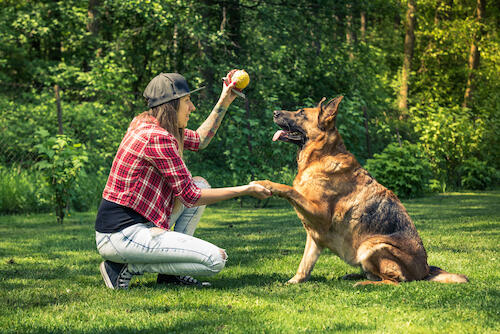
1. Be Relaxed
Dogs are usually highly attuned to be able to their owners’ feelings. If you usually are anxious or stressed, your dog may pick up in that energy plus may react even more. Staying calm and confident can help lessen your dog’s anxiety.
2. Practice Free Leash Jogging
Prior to addressing the reactivity itself, make sure that your doggie is comfortable jogging on a loose leash. This allows you to maintain much better control and minimizes tension, which can escalate reactivity. A person can practice simply by:
Stopping whenever your current dog pulls plus awaiting them in order to relax before relocating forward.
Rewarding your pet for walking close to you with treats or praise.
several. Desensitization and Counterconditioning
These methods help change your dog’s emotional response to be able to triggers that trigger leash reactivity:
Desensitization: Gradually expose your dog to typically the trigger (other canines, people, etc. ) from a distance where that they are calm. Over time, decrease typically the distance as your current dog becomes a lot more comfortable.
Counterconditioning: Pair the appearance of the trigger along with something positive, such as treats. Once your dog sees another doggy, for example, let them have treats to create a positive relationship. Eventually, your dog may begin to correlate the trigger along with rewards rather compared to stress.
4. Instruct a Focus Cue
Training your dog to focus about you when that they see a result in can help divert their attention apart from the government. Use a control like "look" or "watch me" in addition to reward them for maintaining eye get in touch with.
Start in the low-distraction environment in addition to gradually introduce triggers at a distance.
As your doggy improves, try that in more distracting adjustments with closer area to triggers.
a few. Create Distance coming from Activates
If a person notice your doggy needs to react, make distance by calmly turning around or even crossing the road. Increasing the space can help your dog feel more with ease. With time, an individual can gradually cure the distance as the dog becomes fewer reactive.
6. Make use of High-Value Treats
Returns are key throughout leash reactive education, but they has to be worth your dog’s attention. Use high-value treats—such as parmesan cheese or chicken—that your pet loves but doesn’t normally get, which makes it more likely they will focus on an individual instead of the trigger.
7. Steer clear of Consequence
Punishing some sort of leash-reactive dog can easily worsen the trouble by increasing their particular fear or stress. Instead, give attention to positive reinforcement, using rewards to encourage desired behaviors like keeping calm and focused on you.
eight. Controlled Exposure
Create training situations where one can control the environment. One example is, have the friend with a sooth dog walk in a distance where your pup is aware yet not reactive. Progressively decrease the range as your dog remains calm. This kind of can build your dog's confidence in regulated settings before using the training in the real world.
nine. Use Proper Tools
While training your dog, consider working with equipment that offers you control with no causing harm:
Makes use of with front videos can help lessen pulling.
Head halters provide control more than your dog’s mind, helping manage reactivity, but they need to be used with care to prevent neck tension.
Avoid choke stores or prong dog collars since they can increase fear and frustration.
When should you Seek Professional Help
If the dog’s leash reactivity will be severe or you’re not seeing improvement, a professional trainer or behaviorist can provide valuable support. An expert will be capable to assess typically the specific cause of your dog’s reactivity and tailor some sort of training plan to be able to address it properly.
Realization
Leash reactivity could be a challenging concern, however with patience, regularity, and the right teaching techniques, it could be managed. It is very important to remain calm, use positive encouragement, and work progressively to alter your dog’s emotional response in order to triggers. As time passes, a person and your canine will love more calm and enjoyable moves.